
"Brazilian coffee production"
5000 article(s) found

Introduction, varieties and characteristics of Brazilian Coffee Brazils
Brazilian coffee generally refers to coffee produced in Brazil. The vast majority of Brazilian coffee is unwashed and sun-dried and is classified according to the name of the state of origin and port of transport. Although coffee is diverse, Brazilian coffee is suitable for the taste of the public. For example, coffee produced in the northern coastal areas has a typical iodine taste, reminiscent of the sea after drinking. This kind of coffee is exported to North America and China.

What are the characteristics of Brazilian coffee beans? How do you make Brazilian coffee?
Professional coffee knowledge exchange More coffee bean information Please pay attention to coffee workshop (Weixin Official Accounts cafe_style) Brazil is the largest country in Latin America and the world's largest coffee producer in the past 150 years. A third of the world's coffee comes from Brazil, followed by Vietnam, Colombia and Indonesia. Annual production in Minas Gerais, south-eastern province alone (20 million bags)

The world's largest major producing area of Brazilian coffee in Central and South America
Brazil's growth in the coffee industry may be due to the regular coffee competition held in Brazil, usually hosted by the Italian Federation of espresso roasters and the International Cup of Coffee judges. These competitions not only attract people's attention to Brazilian high-quality coffee, but also drive the market price of Brazil's top coffee. Although coffee is diverse, Brazilian coffee

Introduction to the characteristics of Brazilian Hilado Coffee Flavor description Grinding scale production area
Brazilian Hilado Coffee Flavor description Grinding scale production area treatment Variety characteristics of Danmini three-in-one Coffee (Super) uses Brazilian instant pure powder. The taste is mellow and smooth, each bag is packed in one kilogram, if it is brewed automatically in a fully automatic coffee machine, it can be adjusted at least 65 cups according to the taste of the public, which is the first choice for the owner of the business.
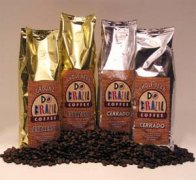
The origin of Brazilian coffee the taste of Brazilian coffee high-quality coffee variety Santos coffee
Brazilian coffee generally refers to coffee produced in Brazil. There is a wide variety of Brazilian coffee, the vast majority of which are unwashed and sun-dried, classified according to the name of the state of origin and the port of transport. Brazil has 27 states and 17 states produce coffee, but four of them produce the largest, accounting for 98% of the country's total output. Brazilian coffee has a low sour taste, which goes well with coffee.

Flavor and taste of Brazilian boutique coffee the manor area introduces the characteristics of Brazilian coffee.
In Brazil, the largest producer is Robbins. This kind of coffee is sold in the supermarket. Brazil's Robucht coffee, sold under the name Conillon, accounts for 15 per cent of total production. Old bourbon coffee is grown on some estates in the Serrado district of Minas Greais state in southeastern Brazil. These estates, such as Capi
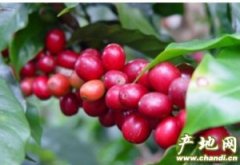
American and Brazilian coffee beans, where fine coffee is produced.
Brazilian coffee beans generally refer to coffee produced in Brazil. There is a wide variety of Brazilian coffee, the vast majority of which are unwashed and sun-dried, classified according to the name of the state of origin and the port of transport. Brazil has 21 states and 17 states produce coffee, but four of them produce the largest, accounting for 98% of the country's total output. Brazilian coffee has a low sour taste.

Brazilian coffee bean brand recommends how to make coffee Brazilian coffee bean variety
Professional coffee knowledge exchange more coffee bean information please pay attention to the coffee workshop (Wechat official account cafe_style) [Brazil BRAZIL] is extremely warm and smooth, the entrance is sweet, pure, the aftertaste is not any thankless acerbity, drink does not feel as thin as water, quite thick. It is the definition of Brazilian high-quality coffee beans by the Brazilian Fine Coffee Association. Production of coffee beans in Brazil

Introduction to the Variety characteristics of Brazilian Minas Sun Yellow bourbon Coffee Flavor description
Brazilian Minas Yellow bourbon Coffee Flavor description Variety characteristics introduce that the proportion of Brazilian coffee production in export income has plummeted. In the past 30 years, with the rise and development of Brazilian modern industry, especially steel, shipbuilding, automobile, aircraft manufacturing and other industries, the status of coffee in the national economy has declined year by year, but it is still one of the pillars of Brazil's economy. And Brazil is still

Brazilian coffee Central and South American coffee beans Brazilian flavor
[introduction] Brazil has failed to increase production in recent years, but it has greatly improved the quality of coffee in the past decade, trying to get rid of the idea that Brazilian weight is not important to quality and that Brazilian beans are as light as water. In recent years, it has successfully transferred to the boutique coffee market.

The largest producer of boutique coffee, American and Brazilian coffee beans
Brazilian coffee beans generally refer to coffee produced in Brazil. There is a wide variety of Brazilian coffee, the vast majority of which are unwashed and sun-dried, classified according to the name of the state of origin and the port of transport. Brazil has 21 states and 17 states produce coffee, but four of them produce the largest, accounting for 98% of the country's total output. Brazilian coffee has a low sour taste.

Introduction to the production area of Grinding scale Manor by the method of Flavor description of Brazilian Coffee Bean Grade
Brazilian coffee bean grade classification, flavor description method, grinding scale manor production area introduces other kinds of Brazilian coffee, such as Rio, Parana, etc., which do not need too much care and can be produced in large quantities, although the taste is relatively rough. however, it is a kind of high-quality and inexpensive coffee, which has its own standard because it is distributed all over Brazil and its solid quality varies.
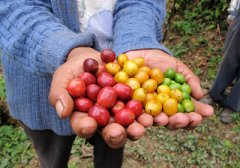
Introduction of Brazilian Coffee Bean varieties Brazilian Syrador bourbon Coffee beans Brazilian Yellow bourbon Coffee
Professional coffee knowledge exchange more coffee bean information please follow the coffee workshop (Wechat official account cafe_style) Brazilian coffee: (producing country: Brazil) Brazilian coffee ranks first in the world in coffee production, formal coffee cultivation began around 1850, from Sao Paulo in southeastern Brazil began to plant coffee trees. Now the main producing area is centered on the south. Soil

Brazilian coffee bean boutique coffee common sense
Brazilian coffee beans include all coffee beans grown in Brazil. Except for Sanduo, Brazilian beans are mostly cheap and good coffee. Can be used for mass production of comprehensive coffee beans, most of which are re-roasted. The main raw material of instant coffee is also Brazilian coffee beans. When the coffee bean germ is very fresh, it is artificially refined and naturally dried in the vulva for about 60-70 days to make the fruit

Characteristics of Brazilian Coffee introduction to the manor producing area of Brazilian coffee bean flavor and taste
Brazilian coffee generally refers to coffee produced in Brazil. There are many kinds of coffee in Brazil. Like other Arabica coffee, Brazilian coffee is called Brazilian coffee Brazils to distinguish it from Milds coffee. The vast majority of Brazilian coffee is unwashed and sun-dried and is classified according to the name of the state of origin and port of transport. Brazil has 21 states and 17 states produce coffee, but among them

The aroma of single Brazilian coffee blends with the highest grade Santos NO2 of Brazilian Santos coffee
Professional baristas please pay attention to the coffee workshop (Wechat official account cafe_style) Brazil accounts for 30% of the global coffee production, coffee is mainly produced in the southeast, mostly exported through the port of santos, hence the name Brazilian Santos coffee beans. The aroma of Brazilian coffee is very harmonious, neutral and delicate, with aromas of dried jujube, cinnamon and nutmeg.
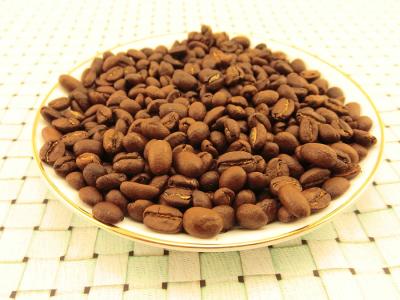
Using the traditional Brazilian natural drying method of pulp, Brazilian Cerrado Syrador coffee beans
Using the traditional Brazilian pulp natural drying method, Brazil Cerrado Hilado coffee beans Brazil coffee production ranks first in the world, and the United States ranks first in coffee consumption in the world, with an annual consumption of about 3 trillion yuan. However, the scale of China's coffee consumption market is only about 70 billion yuan, and there is still a lot of room for development. So far, overseas coffee roasters have been able to absorb higher costs. In contrast, Brazil
Types of Brazilian coffee
Brazilian coffee generally refers to coffee produced in Brazil. There are many kinds of coffee in Brazil, and like other Arabica coffee, Brazilian coffee is called "Brazils" to distinguish it from "Milds" coffee.

Taste of Brazilian Coffee Flavor Flavor Manor introduces fine Brazilian coffee beans
Since the introduction of coffee trees from French Guiana (Guyana) in 1720, coffee production has gradually become a science. Before 1990, the Brazilian government carried out strict monitoring of the coffee industry, with both strict intervention and price protection measures, and the state has been implementing minimum price protection measures for farmers, resulting in coffee overproduction. In the period before World War II, the surplus stock reached 780.

What is Brazilian Datela Coffee? World's largest coffee producer Brazilian coffee flavor
Professional coffee knowledge exchange More coffee bean information Please pay attention to coffee workshop (Weixin Official Accounts cafe_style) Brazil is the world's largest coffee producer accounting for about 30% of coffee production, but because Brazil is located in tropical rain forest area, the terrain is relatively flat and there are few high-altitude forests. Most coffee is planted in low-altitude non-volcanic soil areas, and there is not much shade as a tree.